The Virgin Media High Definition & TiVo Services blog (they really need a catchier name, or at least a shorter one…) has a capture of the paper copy of the notice as sent to customers and it contains another bit of news. The Spotify app will be hitting VM TiVo’s on 11/29 under Apps & Games. No word yet on Spotify coming to US TiVos, though TiVo wasasking about interest back in July. They also have a summary of review comments posted about the early test release that started last month.
The Virgin Media TiVo Blog mentions a couple of other changes in this release. In the past when you paused VOD content the pause would timeout in 3 minutes. This has been extended to 10 minutes, which is a much more reasonable time. And the tick marks, which have traditionally been set every 15 minutes in a program (used for ‘skip to tick’ and the like) now occur every five minutes. So you have a much finer control over when you jump, though it will take three times as many jumps to get to a given point I suppose.
A video of the update was posted by a user a couple of weeks ago:
Google Music is out of beta and open to everyone, and it picked up a new trick in the process of launching – music purchasing. Google Music is taking on iTunes and Amazon’s MP3 store. As during the beta, users can upload up to 20,000 tracks into their ‘locker’ for free (up to 250MB per track) – from any source, not just Google Music purchases. You can then stream these to any client device, which means pretty much anything with a web browser, or the native Android app.
In many ways Google Music is closer to Amazon’s Cloud Drive and Cloud Player than iTunes. But Cloud Drive only offers 5GB of free storage, or up to around 1,000 songs. (Cloud Drive offers generic storage for photos, docs, etc. But Google already does that with Picasa and Docs.) Google gives users 20,000 free tracks. Though Amazon doesn’t count tracks purchased from their MP3 store against their storage limit, if you have a lot of tracks already it is a barrier to switching to their service. Currently 20,000 is a hard limit for Google Music, unlike Amazon they don’t offer paid options for more storage, but I expect that is something that will come.
You can purchase music via the web-based music store or from the newly updated Android Market on any Android device. Tracks are 320kbps MP3 files, the maximum quality for MP3. It should compare favorably to Amazon’s 256kbps MP3 bitrate and should hold its own against iTunes’ current 256kbps AAC bitrate.
Here’s a little intro video from Google:
Google has lined up quite the collection of music for the launch:
The store offers more than 13 million tracks from artists on Universal Music Group, Sony Music Entertainment, EMI, and the global independent rights agency Merlin as well as over 1,000 prominent independent labels including Merge Records, Warp Records, Matador Records, XL Recordings and Naxos. We’ve also partnered with the world’s largest digital distributors of independent music including IODA, INgrooves, The Orchard and Believe Digital.
13 million tracks is pretty good for a launch; Amazon claims around 17 million for their MP3 store, while iTunes has over 20 million worldwide. You might notice one hiccup in the rollout – they only have three of the four largest studios; Warner Music Group is a hold out. However, I’m confident Google will get them on board. With 200 million Android devices and 550,000 new devices being register every day, and most of those having built-in default access to the Android Market, and thus Google music, I think WMG will want a piece of that action. If and when Google gets WMG on board that should substantially increase their track count. I’m sure Google is pursuing additional deals with other distribution networks as well. Of course, in the meantime, you can purchase non-DRM tracks anywhere else and upload them to you Google Music locker.
Google has another hook too – sharing on Google+. Any track, or entire album, you purchase through Google Music can be shared on Google+, or via an email link for friends not on Google+. Everyone you share with gets one free listen. Hey kid, the first taste is free. So if you find a new track you love and want to share it, it is easy to do. And, of course, if your friends like it as much as you do, it is easy for them to make the purchase. Google Music is also offering free music. They have hundreds of free tracks, with new tracks each day.
Your tracks can be downloaded too, you don’t have to be connected to the cloud to play. Clearly that’d be an issue in situations when streaming just isn’t an option, the prime example being on a flight. For such situations you can sync tracks or playlists to your device for offline listening. That’s also useful for those worried about their data plan usage.
Note that I said Google is taking on iTunes in the subject, and I didn’t call this an “iTunes Killer”. The BLANK Killer is overdone. This is not going to kill iTunes, or Amazon MP3. I think this will siphon off some of their business, I’m already planning to move my new purchases to Google Music instead of iTunes when possible, but clearly Apple is safe with the iEcosystem. This is more about providing an Android alternative to the iTunes/iOS pairing than killing iTunes. Amazon probably has more to lose than Apple, since they’ve had their Amazon MP3 store on Android since the early days. But they have a lot of customer loyalty, not to mention the Kindle Fire has their MP3 store – but not the Android Market and Google Music.
If you’re an Android user, Google Music is worth checking out. Even if you don’t purchase your music there you can sync your music from other sources there for easy access.
But what if you’re an independent musician? How do you get a piece of the action? Google has you covered, with Artist Hub:
How does a $25 account setup fee and a 70/30 profit split sound? That’s 70% for you, the musician, and 30% for Google. With your Google Music account you get unlimited uploads – you can distribute as much of your music as you want. You can change the track or album descriptions as often as you like. Link your YouTube videos directly to the Google Music track for purchase. Setup a Google+ page and share tracks with your followers for a free taste – and they’ll have to buy the track to listen again. You can set your own pricing, offer promotions, create albums, set tracks as ‘album only’, etc. The artist has control, and all you need is a Google account and your music. And every artist or band gets their own dedicated page with bio, photo, links, etc.
Google is really trying to make it easy for artists to get their music out through Google Music.
All in all I think Google Music is off to a good start. It isn’t perfect, but I expect it to follow Google’s typical approach of iterative improvement and frequent updates. I definitely plan to use it.
Today’s Sellout.Woot deal is a refurbished Optoma HD 1080p Home Theater Projector for only $649.99 + $5 S&H. You choose from the HD20 or HD180 – which seem to be pretty much identical other than contrast. The HD20 claims a 4000:1 contrast while the HD1800 is 3500:1. This DLP projector throws 1700 Lumens up to a 300? Screen Size, with two HDMI inputs as well as single component, composite, and VGA inputs.
Front projection is the way to go for maximum screen size, if you have the space for it. MSRP on the HD20 is $1299.99 and Amazon sells them new for $899.99, so this is a pretty good deal for a Full HD projector.
Well, now we have a hard launch, with a press release to back it up. TiVo is part of a larger push from ONO. Not only is TiVo acting as a DVR, it is also ONOs first STB offering HD and 3D content. And, like Virgin in the UK, ONO is offering extensive broadband content over a dedicated DOCSIS connection.
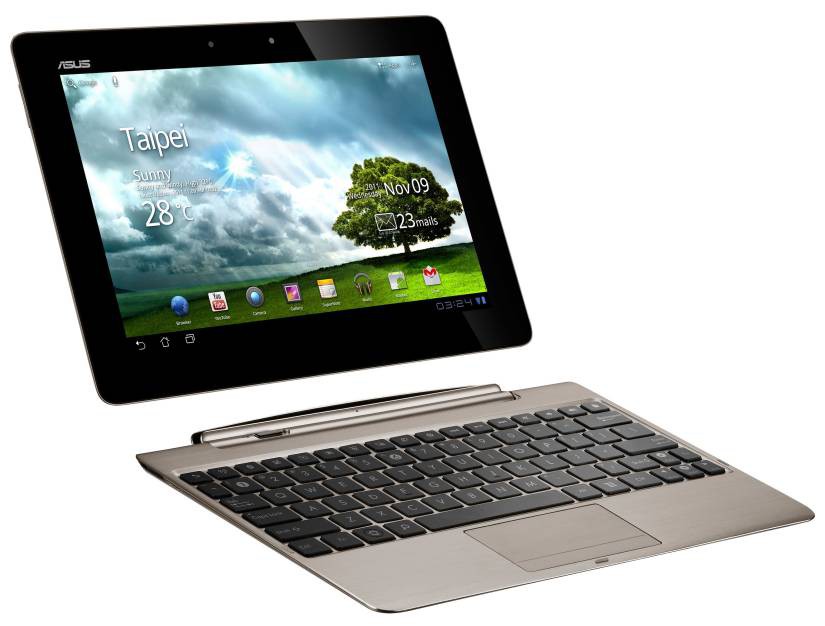
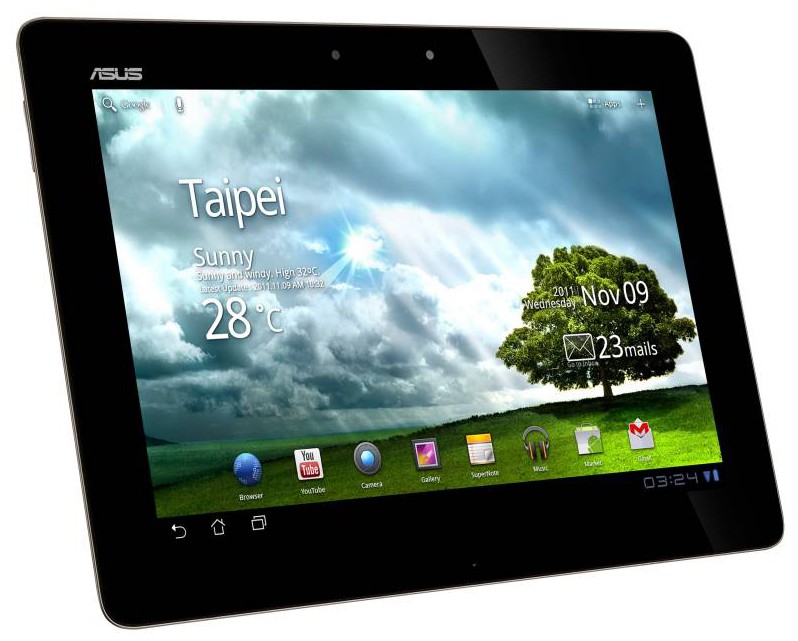
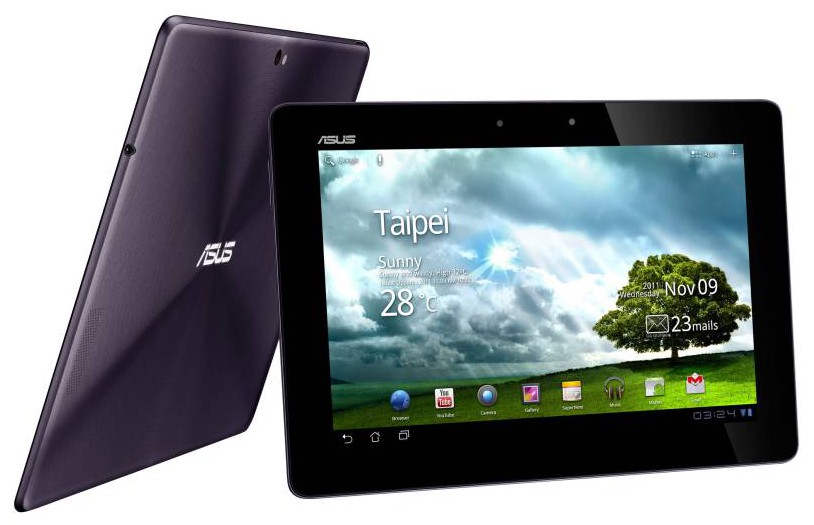
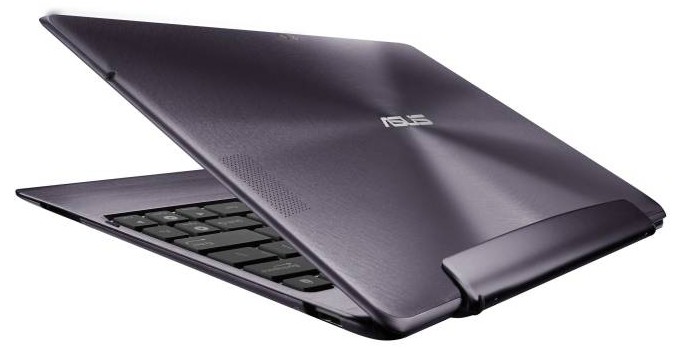
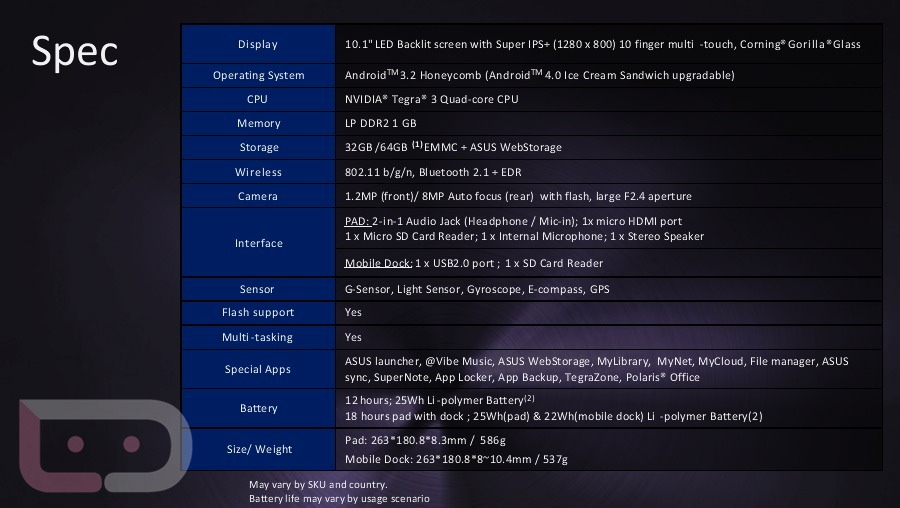
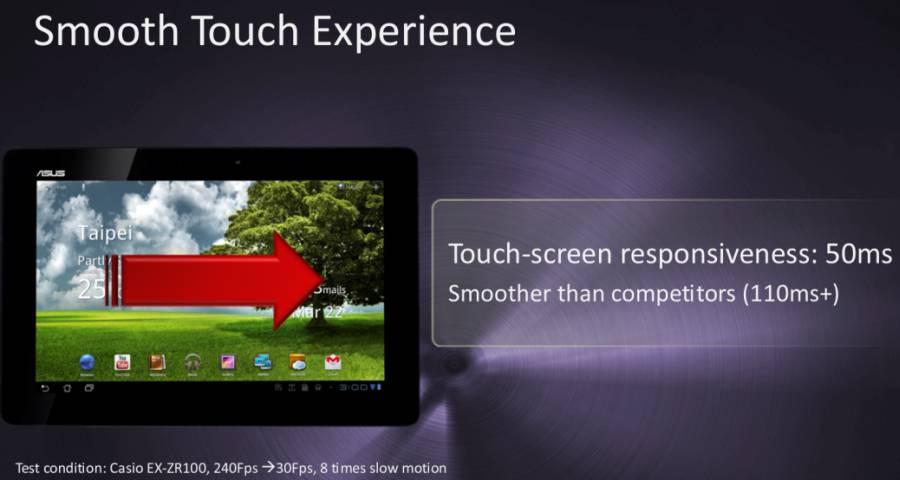
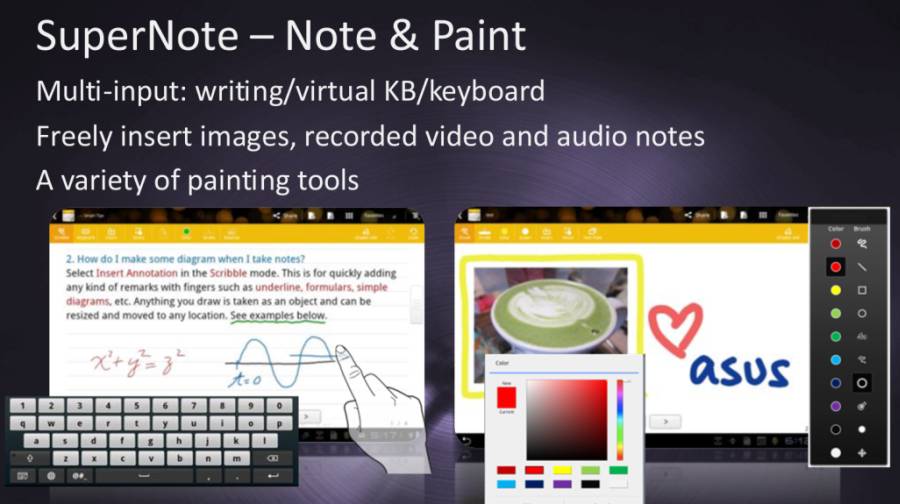
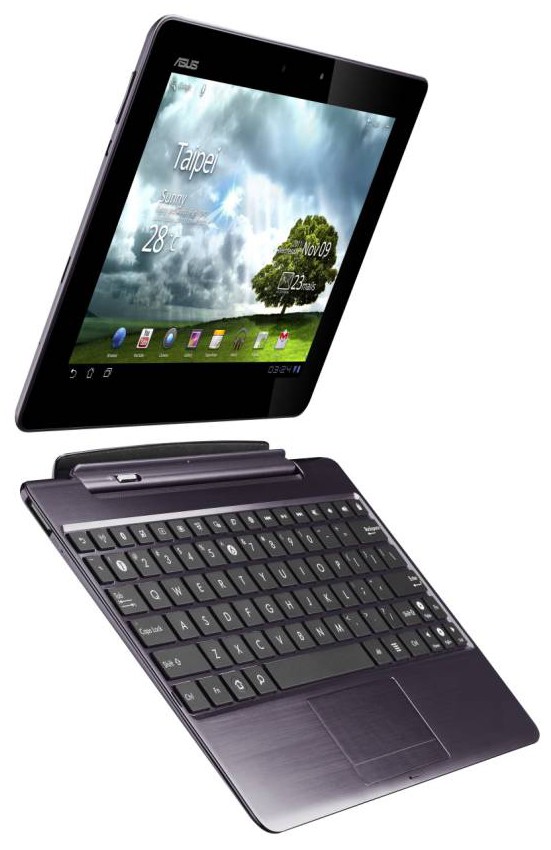
A couple of weeks ago we were teased with the ASUS Eee Pad Transformer Prime and told a full announcement would come 11/9. Well, ASUS was true to their word and they released the details. The Prime takes the Transformer and turns it up to 11. It is running a quad-core NVIDIA Tegra 3 which clocks up to 1.4GHz on a single-core or 1.3GHz on all four, compared to the 1.0GHz dual-core Tegra 2 in the original. NVIDIA has a comparison of the two Tegra generations.
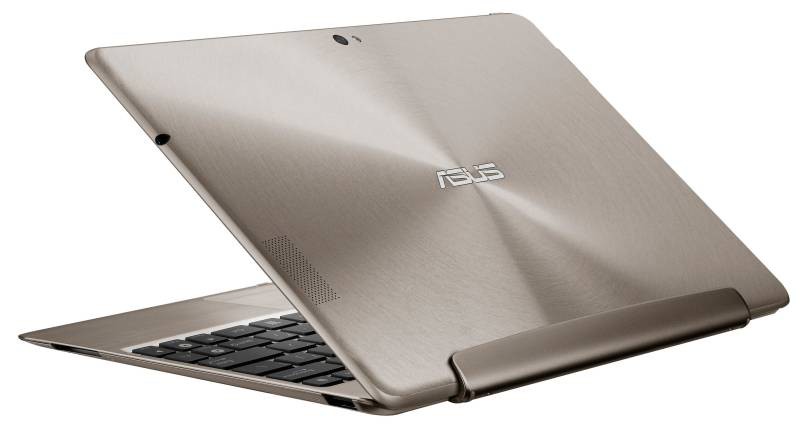
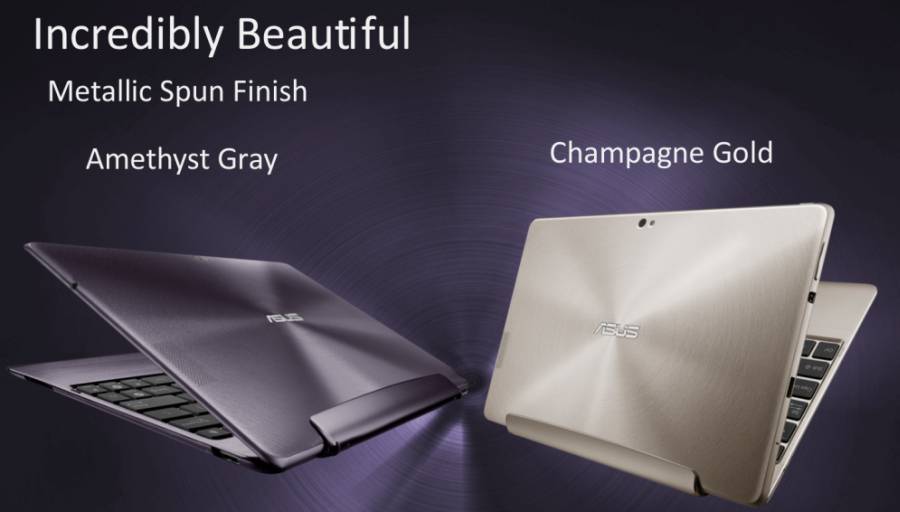
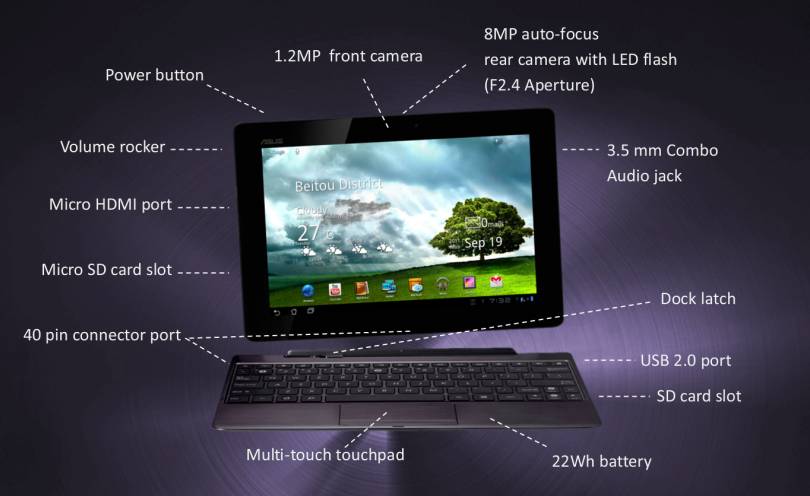
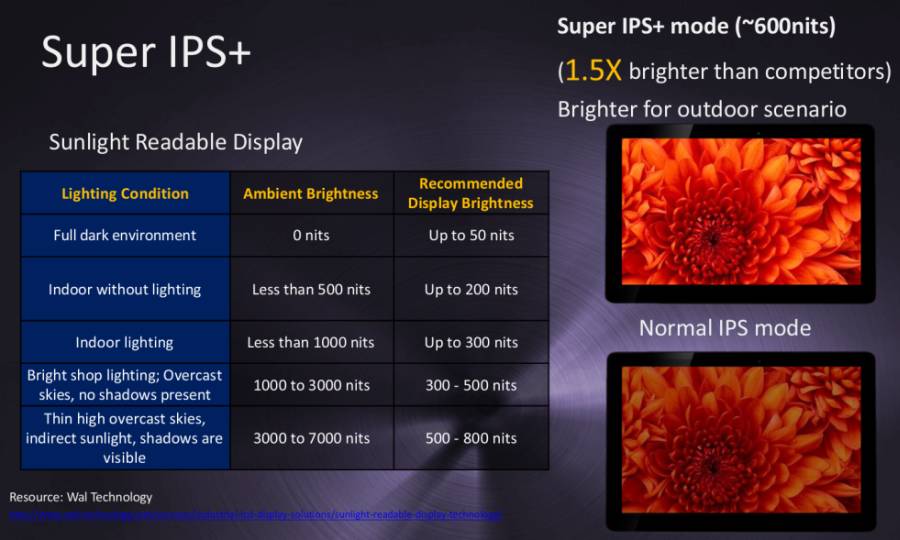
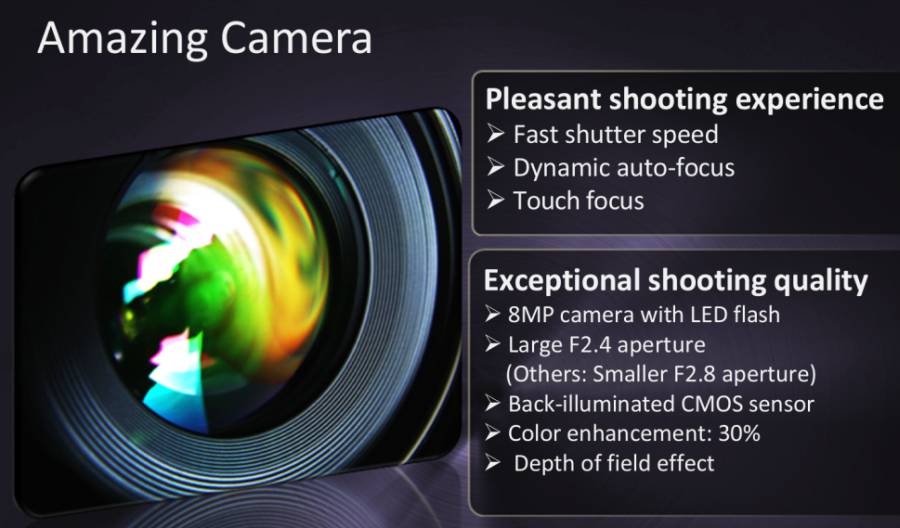
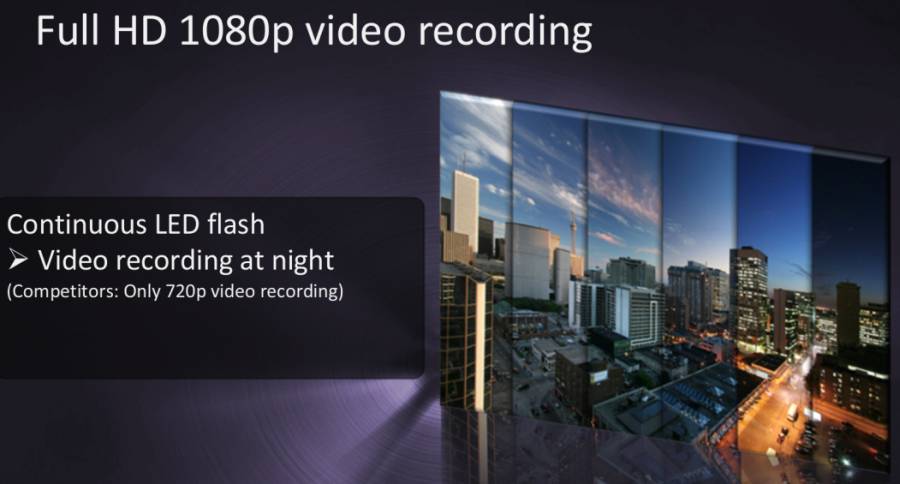
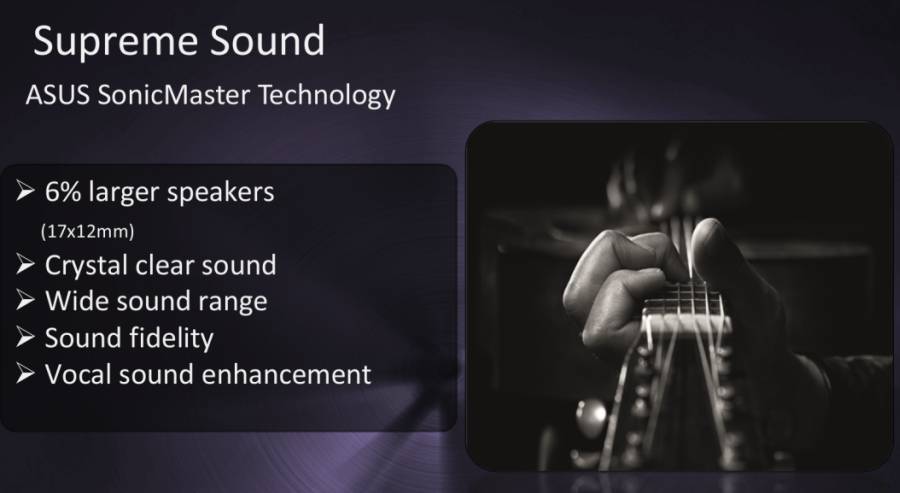
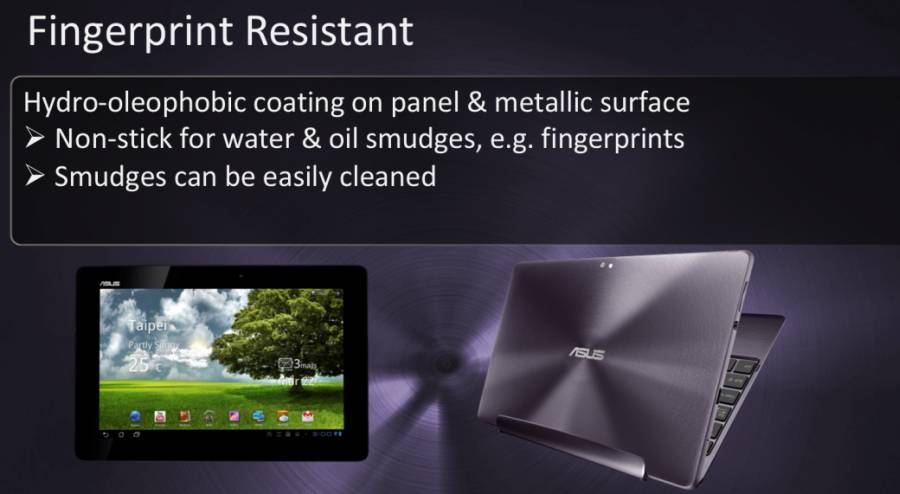
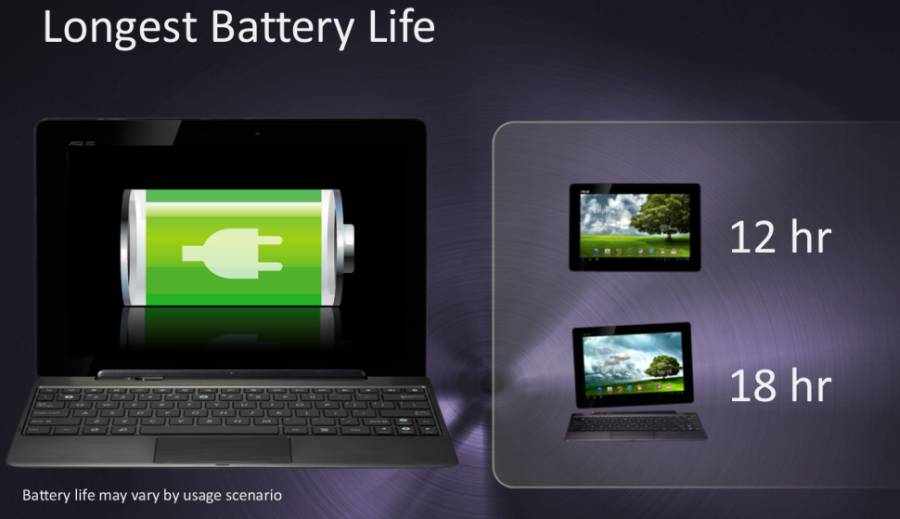
The tablet comes in 32GB and 64GB versions with a microSD slot for up to an additional 32GB, and it has 1GB of DDR2 RAM. It also has a microHDMI port, 3.5mm combo (headphones & mic) audio jack, a built-in mic, stereo speakers with SonicMaster technology and a built-in subwoofer, 8MP rear camera with auto-focus and LED flash, 1.3MP front camera, and a 25Wh battery that yields 12 hours of use. It supports 802.11b/g/n WiFi and Bluetooth 2.1+EDR. The screen is a 10.1″ 1280×800 Super IPS+ display with an 178° viewing angle and Corning Gorilla Glass. It has a ‘metallic swirl’ finish available in two colors, Amethyst Gray and Champagne Gold. It will ship with Android 3.2 Honeycomb, but it will be one of the first tablets to receive Android 4.0 Ice Cream Sandwich.
It is 263mm x 180.8mm x 8.3mm (10.4″ x 7.1″ x 0.33″) and weighs in at a svelte 586g (1.29 pounds). The original Transformer was 271mm x 175mm x 12.95mm and 675g. The Prime is even thinner and lighter than the iPad 2 – 241.2mm x 185.7mm x 8.8mm and 601g. It is in the same league as the Samsung Galaxy Tab 10.1, which is 256.6 x 172.9 x 8.6mm and 565g. It is thinner and narrower than the iPad 2, and only slightly longer, with a larger, higher resolution display based on better tech, more storage for a given price point, twice the RAM, and a far, far more powerful CPU.
Of course, what makes the Transformer lineup so unique is the keyboard dock which effectively turns it into an Android netbook. The dock is 263mm x 180.8mm x 10.4mm (10.4″ x 7.1″ x 0.41″) and weighs 537g (1.18 pounds). Aside from the keyboard and touchpad, it includes a 22Wh battery that extends run time to 18 hours. It also includes a full-size USB 2.0 port and a full-size SD card slot.
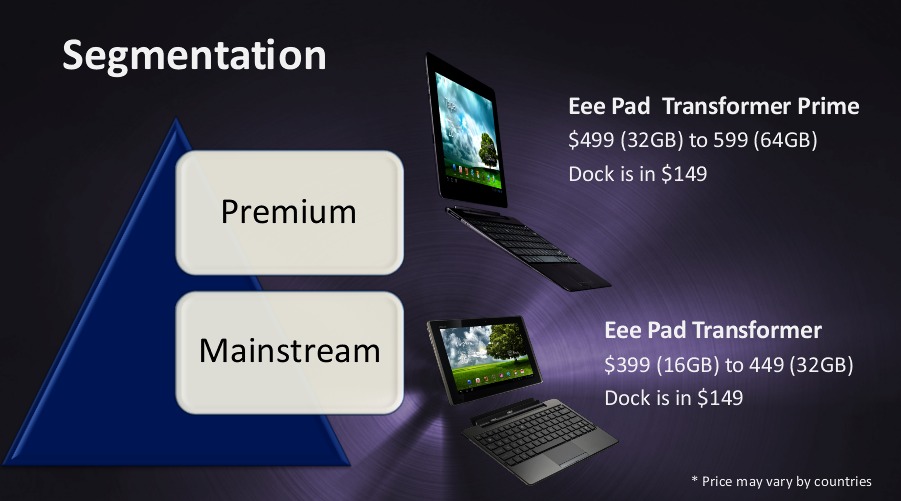
The MSRP on the 32GB model is $499, while the 64GB unit is $599. The keyboard dock is $149. The Transformer Prime will be positioned as a premium tablet, while the original Transformer will remain for the mainstream market at a lower price point. The 16GB will be $399 and he 32GB $449, with the dock remaining $149. Personally I don’t know why anyone would go for the 32GB Transformer when the 32GB Transformer Prime is only another $50. The performance difference, not to mention the design of the tablet itself, is well worth it.
Several months ago I was trying to decide which Android tablet to purchase. I decided on the Transformer, but before I pulled the trigger rumors of the ‘Transformer 2′ were out with talk of the Kal-El processor (code name for the Tegra 3) and improvements all around. Since I don’t really have a pressing need for a tablet, so much as technolust, I decided to wait to see how it shaped up. I’m glad I did, this is the tablet I want. Now I just have to decide if I want 32GB or 64GB. Given how much is based in the cloud now, I’m not sure I’d need the larger capacity.
NVIDIA is really touting the Tegra 3 that lives at the heart of the Prime. And with good reason, it is arguably the latest chip to claim the title of most powerful in the mobile market. While it is generally touted as a quad-core chip, the Tegra 3 actually has five cores. Four cores are ‘full-power’ cores which can clock up for 1.4GHz individually, or all four can clock up to 1.3GHz simultaneously. But these cores are only needed when launching apps, running compute intensive tasks, gaming, etc. Most of the time the work is handled by the fifth core, which clocks up to 500MHz. Running a single, lower speed (and thus lower power) core and only utilizing the higher powered cores when needed prolongs batter life. They’ve released a number of videos showing off the chip’s capabilities and/or describing it’s features.
ASUS press release announcing the Transformer Prime below: Continue reading →


 Virgin Media TiVo users will begin receiving the big 15.2 software update today, 11/17, according to a notice sent to customers. The update will be rolling out over the course of the next week, and should be complete by 11/24. If you want to know exactly when to expect the update in your service area, the Media Boy Blog got the scoop on the specifics.